
In the highly regulated world of construction, staying compliant isn’t just about following building codes—it also means meeting financial and legal obligations. For contractors working in the Garden State, understanding the surety bonds New Jersey requires is essential for staying licensed, winning bids, and protecting clients.

What Are Surety Bonds?
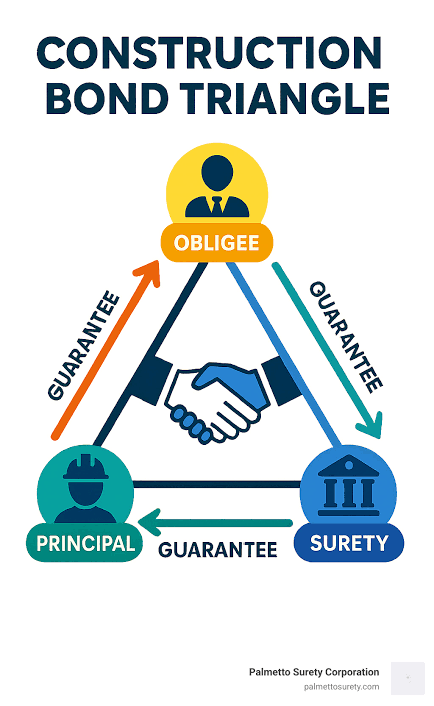
A surety bond is a legal contract involving three parties:
Principal: The contractor or business purchasing the bond
Obligee: The party requiring the bond (usually a government agency or project owner)
Surety: The company that issues the bond and guarantees the principal’s obligations
In short, a surety bond is a promise that a contractor will fulfill their obligations. If they fail to meet the terms of the contract—whether it's finishing the job or paying subcontractors—the surety steps in to cover the costs, and then seeks reimbursement from the contractor.
Why Are Surety Bonds Required in New Jersey?
New Jersey law requires contractors to post surety bonds for various reasons:
Licensing Compliance:
Many municipalities require contractors to post license or permit bonds to operate legally. These bonds ensure that contractors follow local laws and codes.Public Works Projects:
Under the New Jersey Public Works Contractor Registration Act, any public project over a certain value typically requires contractors to post performance and payment bonds. These protect the state and taxpayers from incomplete work or unpaid workers.Private Sector Contracts:
Private clients may also require bonding, especially for high-value or complex jobs. It gives clients peace of mind that the project will be completed on time and according to agreed-upon terms.
Types of Contractor Surety Bonds in New Jersey
Here are the most common surety bonds New Jersey contractors may need:
Bid Bonds: Guarantee that the contractor will accept the job if awarded the contract.
Performance Bonds: Assure the obligee that the contractor will complete the project as agreed.
Payment Bonds: Ensure subcontractors and suppliers are paid fairly.
License & Permit Bonds: Required for specific trades or to operate in certain cities/counties.
What Happens If You Don’t Comply?
Contractors who fail to secure the proper surety bonds can face serious consequences, including:
License denial or revocation
Inability to bid on public projects
Legal liability and financial penalties
Loss of client trust and reputation
Bonding isn’t just a formality—it’s a key part of building trust and securing work.
Work with Experts Who Know New Jersey Regulations
Securing the right surety bond doesn’t have to be a complicated process. Partnering with a local expert can save you time, money, and stress.
Get Bonded Today with Quantum Insurance Services
At Quantum Insurance Services, we specialize in surety bonds that New Jersey contractors need to stay compliant and competitive. Whether you're bidding on a state project or applying for a local license, we offer fast approvals, low rates, and personalized service every step of the way.






Write a comment ...