When starting a construction project, both contractors and project owners must understand the legal framework that governs construction bonds. In New Jersey, construction bonds are critical tools that help ensure projects are completed according to contract terms, protect against financial risk, and guarantee that workers, suppliers, and subcontractors are paid. Whether you are a contractor bidding on public projects or a property owner beginning a large development, understanding the legal requirements for construction bonds in New Jersey is essential.
What Are Construction Bonds?
Construction bonds are legally binding agreements that provide financial assurance that contractors will fulfill their obligations.
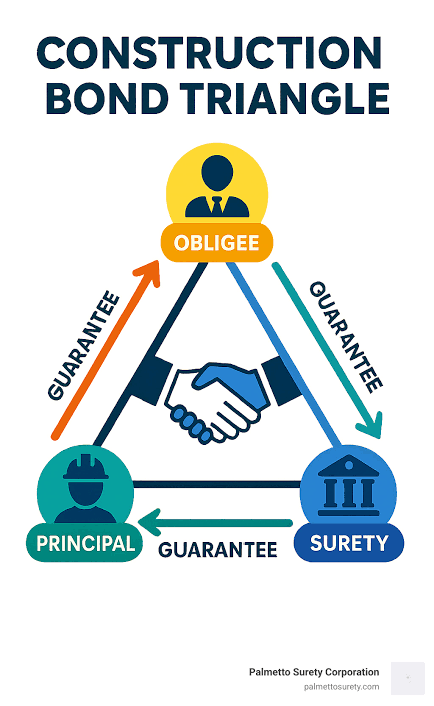
Typically, three parties are involved:
The principal (the contractor)
The obligee (the project owner)
The surety (the bonding company)
If the contractor fails to meet the terms of the agreement, the surety steps in to cover the losses or ensure the project's completion.
Types of Construction Bonds Required in New Jersey
In New Jersey, different types of construction bonds are used depending on the project’s nature and the specific requirements:
Bid Bonds: These bonds assure that a contractor who wins a bid will honor the contract and provide performance and payment bonds.
Performance Bonds: They guarantee that the contractor will complete the project according to the contractual terms.
Payment Bonds: These ensure that subcontractors, laborers, and suppliers are paid, protecting the project from liens.
Maintenance Bonds: Cover workmanship and material defects after project completion for a specified period.
Public projects in New Jersey almost always require these bonds, while private projects may vary depending on the project owner's stipulations.
New Jersey Laws Governing Construction Bonds
The most critical law surrounding construction bonds is the "Public Works Contractor Registration Act." Under this law:
Contractors working on public projects exceeding $2,000 must register with the state.
For public works projects valued over $100,000, contractors are mandated to submit performance and payment bonds.
The New Jersey Little Miller Act (N.J.S.A. 2A:44-143) also requires performance and payment bonds on public construction projects to protect public funds and ensure subcontractors and suppliers are paid.
Additionally, New Jersey construction bond requirements often stipulate that surety companies must be authorized to operate in the state, ensuring financial stability and regulatory oversight.
When Are Construction Bonds Mandatory?
Construction bonds are generally required in the following cases:
Public Projects: Virtually all government-funded construction projects demand bonds. This includes state, municipal, and county-level projects.
Large Private Projects: Though not always mandated by law, project owners often require bonds for significant private developments to protect their investments.
Understanding whether a bond is mandatory—and which type is needed—can help contractors avoid project delays, legal penalties, or disqualification from bidding.
How to Obtain Construction Bonds
Securing a construction bond involves several steps:
Application to a Surety Company: Contractors must apply and provide financial information, business history, and project details.
Underwriting Process: The surety assesses the contractor’s creditworthiness, capacity to complete the project, and past performance.
Issuance of Bond: Once approved, the bond is issued, and the contractor is ready to present it with their bid or contract documentation.
Contractors should work with reputable surety companies familiar with the requirements for construction bonds in New Jersey to ensure a smooth and compliant bonding process.
Conclusion
Compliance with the legal requirements for construction bonds in New Jersey is crucial for contractors aiming to win and execute public or large private projects. From understanding the types of bonds required to navigating the state's specific regulations, being informed can make the difference between a successful project and costly setbacks. Whether you are a contractor, developer, or public entity, partnering with an experienced bonding professional ensures that you meet all obligations while safeguarding your project's future.








Write a comment ...